BPL Environmental

Sump pump emergency call out – how it works

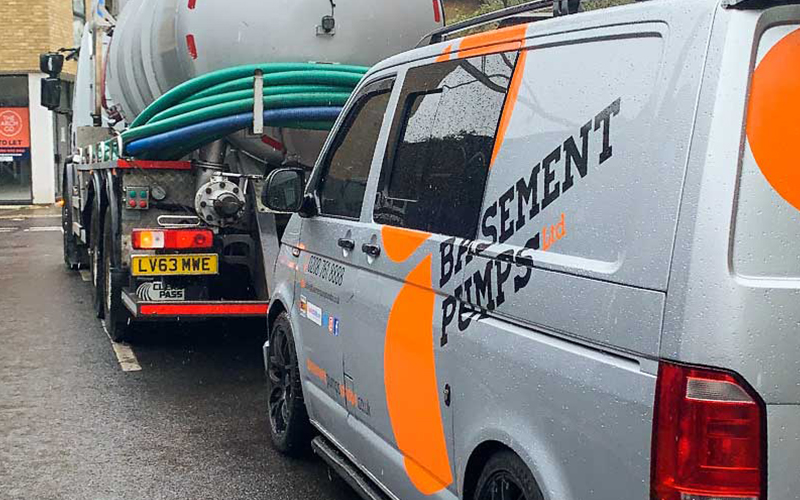
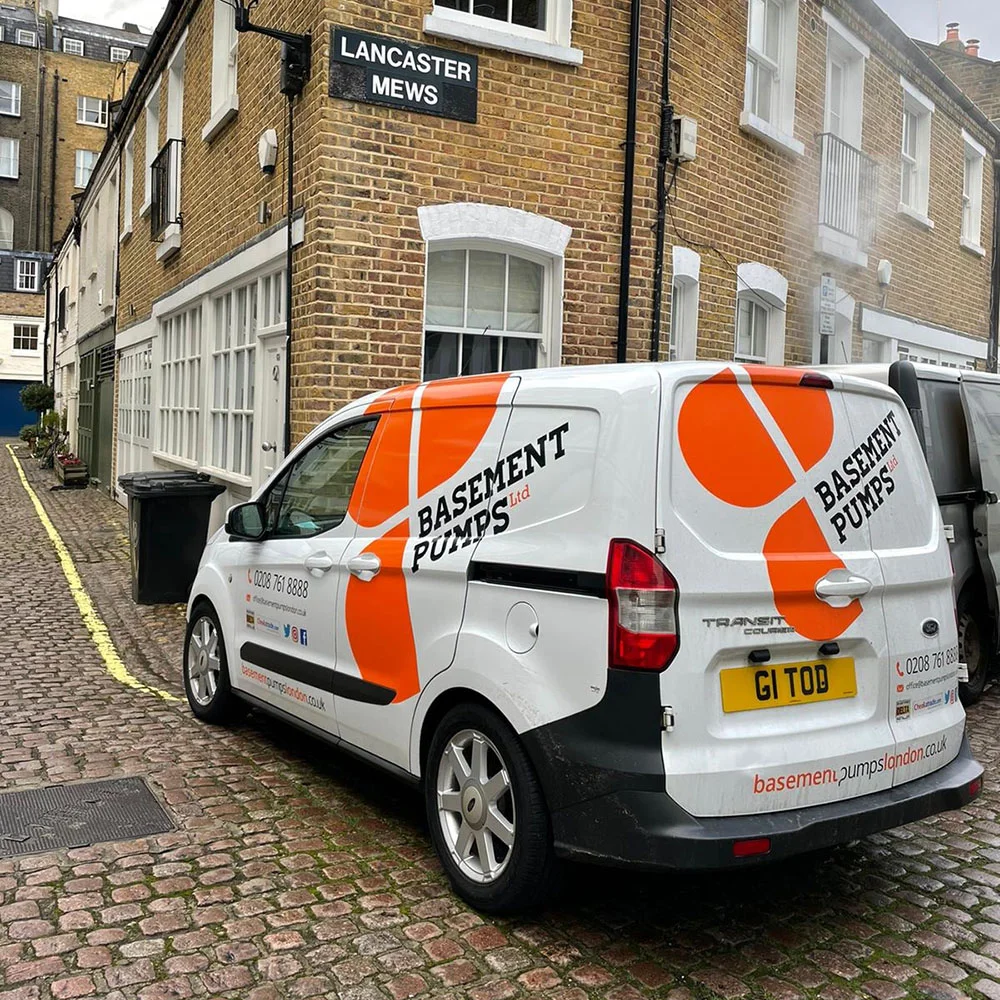
When we receive an emergency call on our 24 hour telephone number (0208 761 8888) we aim to be with the customer as quickly as possible. Our average response time across London and the South East is 3 hours.

It might be that a high level alarm has tripped on a sump pump, or a flooding emergency may already be in progress.

No job is too small: whether you’re a private individual, domestic, or commercial customer with a failed pump station, we have you covered 24 hours a day, 7 days a week, 365 days of the year.

Pumps Station failures can be a simple control issue that can be resolved quickly and relatively inexpensively. It could a blocked pump or failed pump float switch.

If it is something that requires an the installation or replacement of a pump, our head office will send the engineers report alongside a competitive quote, available for you to accept or decline within one click.

This fast, efficient service provides you with the opportunity to get the job completed as soon as possible. Often, repairs and installation can be carried out during the original visit, providing an immediate, long-term fix.

What happens during a routine service?

What happens during a routine service?

Our office staff provide effective communication with customers. We’ll tell you our availability and find a slot for your pump service at a date and time that works for you. Basement Pumps are available 24 hours a day, 7 days a week, 365 days a year. You are given a 2-hour window for when to expect our sump pump engineer to arrive at your property.

What would a Major Pumping Station Service include?

  • Lift pump(s), clean pump and check pump data plate
  • Check pump volute for damage
  • Check impeller for debris and damage unblock as required
  • Check wear ring(s) for damage
  • Assess motor / pump bearing condition
  • Remove oil drain plug and check oil for water ingress (where appropriate)
  • Refit oil drain plug with new “O” ring refill / replace oil (where appropriate)
  • Check motor windings for continuity and insulation integrity
  • Check motor cables for wear and water ingress
  • Check and clean level control floats / ultrasonic head
  • Check condition / serviceability of pump lifting system
  • Check operation of isolation and reflux valves
  • Check condition of wet well pipework
  • Check condition of wet well and valve chamber (where appropriate) including access covers
  • Check condition / serviceability of pump control panel
  • Check and adjust all pump controls where necessary
  • Check and test all safety / alarm facilities
  • Check earth loop resistance
  • Clean control panel
  • Check condition of control panel kiosk (where appropriate)
  • Clean and remove potential items to cause pump blockages from pump chamber
  • General Pumping Station Service
  • Visually inspect pumps for correct operation / damage
  • Assess motor / pump bearing condition
  • Check motor windings for continuity and insulation integrity
  • Check motor cables for wear and water ingress
  • Check level control floats / ultrasonic head
  • Check condition of pump lifting system
  • Check operation of isolation and reflux valves
  • Check condition of wet well pipework
  • Check condition of wet well and valve chamber (where appropriate)
  • Check condition / serviceability of pump control panel
  • Check and adjust all pump controls where necessary
  • Check and test all safety / alarm facilities
  • Check earth loop resistance
  • Check condition of control panel kiosk (where appropriate)
  • Clean and remove potential items to cause pump blockages from pump chamber

What would a General Pumping Station Service include?

  • Visually inspect pumps for correct operation / damage
  • Assess motor / pump bearing condition
  • Check motor windings for continuity and insulation integrity
  • Check motor cables for wear and water ingress
  • Check level control floats / ultrasonic head
  • Check condition of pump lifting system
  • Check operation of isolation and reflux valves
  • Check condition of wet well pipework
  • Check condition of wet well and valve chamber (where appropriate)
  • Check condition / serviceability of pump control panel
  • Check and adjust all pump controls where necessary
  • Check and test all safety / alarm facilities
  • Check earth loop resistance
  • Check condition of control panel kiosk (where appropriate)
  • Clean and remove potential items to cause pump blockages from pump chamber

The benefits of servicing your pump system:

Basement Pumps recommends that every pump station should be serviced and cleaned every 6 months. It is essential to stay on top of the maintenance required for the pump station, in order to prevent future breakage.

We offer service agreements, which give you 24 months of peace of mind, with a small starting cost of £30 a month.

This covers 1 routine service, 10% of replacement parts and a 10% discount on emergency call outs. This safety net allows your pump to have 24/7/365 support, an increased lifespan, efficiency and a reduced chance of failures.

Our service engineers are fully trained in the use of gas detection equipment, confined space entry procedures and all relevant health and safety requirements, we also have a fully equipped workshop.

Our highly qualified engineers can carry out most works onsite. All engineers also practising COVID-19 safety requirements.

Why are we including warranty for the life of the contract?

As pump suppliers we understand the worry of pump failure and breakdown, therefore with our Gold Package we are including warranty of the life of the contract (after a site survey has been carried out), this does not include misuse of the pump.

Do I Need a Basement Pump?

What is a basement pump?

Excess water and moisture is collected in a sump basin or sump chamber, and safely pumped away with a sump pump. These are commonly found in the basement of homes.

Basement pumps are usually hardwired into the home’s electrical system, but can also feature a battery backup alarm structure which continues to work in the case of a power cut. The high level alarm can alert you to problems and avoid major floods going unnoticed.

They provide homeowners with mind and protect home owners against flooding, provides a defence against mould and extreme weather.

Do I need a basement sump pump?

Every home that has a basement should invest in a sump pump system. It provides a reliable way to manage the water ingress within the property, and can work in conjunction with sewage lines.

It also eliminates moisture and prevents flooding. It is common for basements to flood and hold moisture resulting in the growth of mould, mildew and infestation. To prevent this, a sump pump system will keep your basement dry and is highly recommended by builders and pump specialists.

How much does it cost to install a sump pump in a basement?

The cost of a new basement pump installation depends on several factors, including the size of the pump and sump chamber and the distance of pipework required at your property.

At Basement Pumps we offer a free site survey where an engineer will inspect the basement and recommended on the best new (or replacement) pump station. We install from a range of manufacturers including Capari, ABS, Wilo, Lowara and DELTA.

For a free site surevey and quotation, feel free to call us on 0208 761 8888 or send a message.

How to Look After Your Pump Station

If a pump station serves your property, the likelihood is that the property is not connected directly to the mains sewer system.

Sewage pump stations are designed to handle foul water, sewage, natural human waste and biodegradable products. Other household waste and non-biodegradable products should never be disposed of through the drainage system.

Disposal of non bio-degradable products will affect the reliability of all pump stations, causing pump to block and storage chambers, pumping stations to become congested with non-pumpable waste.

Bear in mind too that it isn’t only the toilet that is connected to your pump station: anything that goes down the sink, bath etc. also ends up there.

The following must not be discharged into drains:

  • Cleaning Rags
  • Cloths
  • Syringes; Hypodermic Needles
  • Medicines; Medical Equipment. Take unused medicines to a pharmacist for safe disposal
  • Fat, Oil; Grease. These products tend to cool down, separate from water and coagulate within the pump stations chamber (FOG’s) encase the pump and floats, causing blockages and failure of pumps
  • Nappies, Sanitary Towels, Incontinence Materials Soft Toys, Tennis Balls etc. It may seem a bit obvious to say this, but it is amazing what gets flushed down the loo from time to time, causing blockages of the drains and pump stations.
  • Even so-called disposable nappies and sanitary towels often do not degrade fully and can lead to malfunction, so it is best to dispose of them by other means. Fabric cleansing wipes; nappy liners can block pipe work or your pumping station. They should not be flushed into the drainage system.

Routine De-Sludging and Servicing

Pump stations over time accumulate settled solids. It is good practice to check and if necessary empty/de-sludge you pump station at the same time as any mechanical or electrical servicing is carried out.

It is vital to your pumping stations ongoing operation and should be carried out regularly. Mechanical and electrical servicing, particularly, must be performed by properly trained personnel suitably qualified and experienced in this type of work.

Regular servicing of pump stations and pumping equipment will extend their life expectancy, hydraulically efficiency and help to avoid emergency call outs. For further information contact us on 0208 761 8888 ask about our service agreements.

BPL Environmental installation: project timeline

Installation and commissioning work usually takes place over two visits.

Visit 1: BPL Environmental offers a free of charge survey for all new installations or upgrades on existing systems. Not only does this allow us to obtain the information in order to quote accordingly, it provides you with the opportunity to meet our surveyor and gauge how we work as a company; our appearance, expertise and service. All remedials required at this stage are quoted and sent across to the client, including a scope of works and any exclusions/clarifications that are needed prior to our arrival.

Visit 2: We conduct the mechanical and electrical aspects of the pump station installation, taking sole responsibility for the job. The mounting of the pumps within the chamber and panel/alarm within a respective distance of the station (meterage advised on the initial survey). The electrical connections are made from the pump and panel/alarm to the isolator or spurs (provided by others, again the requirements are advised on the specification).

A draw cord must be provided by others – this must run from the chamber to the location of electrics (isolator/spurs). The size of this will be established once equipment has been quoted.

Once we have installed this equipment, we test the operation and commission. Typically this is within the same visit; however this would depend on the duration of the installation.

The checks within a commissioning, are:

  • Chamber is clean, and free of any silt/debris which could obstruct the operation of the pumps.
  • The activation of the float switches can take place, without obstacle.
  • If cable joining kits have been used, they will be secured.
  • Gate valve have been turned anticlockwise to ensure it is fully open.
  • Electrically isolate the pump to standard height (duty pump), fill the chamber wit water and check that the pump discharges correctly.
  • Whilst conducting the above, ensure that the high level alarm is working visually and audibly.
  • Check for leaks on pipework, ensure all is connected correctly.
  • Check all cables are securely ties to the manifold and clear from obstructing float switches.
  • Ensure each pump is wired to an individual non-switched spur.
  • Check each spur is wired to an individual RCBO (not RCD).
  • Label the equipment, using sticks provided. Stickers include contact information for instances where urgent attention is required/service and maintenance bookings.
  • Checking the power is on.
  • If required, ensure battery backup is switched on correctly and operates on backup mode.
  • Run through the operation of the station with the client onsite, advising the ‘do’s and dont’s’ in managing a pump station as well as maintenance required.

Commissioning Certification

Once we have received confirmation that the installation is in accordance with manufacturers guidelines, we will issue a certification of commissioning to the client, with manuals for all equipment. Warranty of 12 months starts with the transfer of certificate.

We provide aftercare services to all customers; no matter how big or small. We can produce bespoke maintenance agreements. We operate a 24/7/365 support line, for assistance on any emergency.

Using an electric van for trades work in London

BPL Environmental are happy to announce the start of our transition to Zero-Carbon.

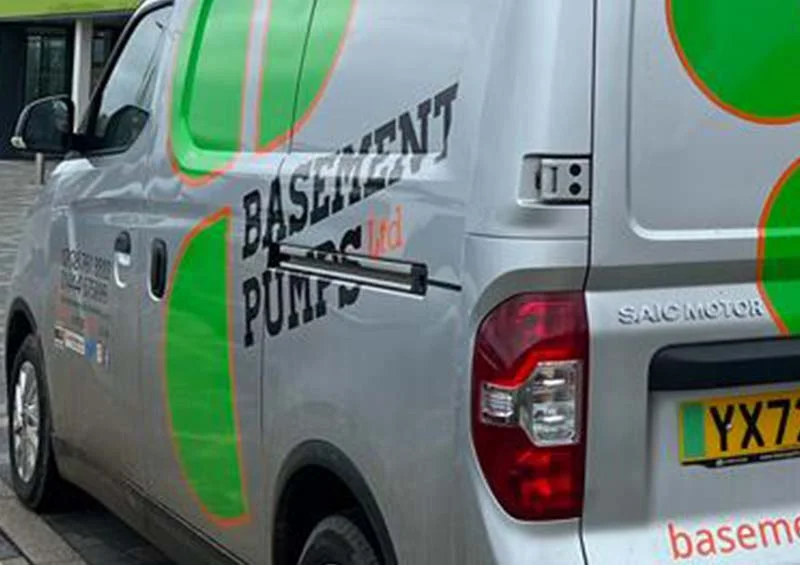
Our new fully electric service van is supporting the world wide initiative to reduce carbon emissions. Our change from diesel to electric power has many benefits, with the main being the immediate reduction of congestion and noise pollution on the environment.

It’s our ambition that our fleet of vehicles within the service department is fully powered by alternative fuel within the next 5 years; ensuring we are fulling our vital role in contributing to the improvements of the environment and quality of air for the communities we work within.

The launch within our operations is closely managed and monitored. Whilst adopting the alternative fuel methods for transport in and around London, we are also increasing our efficiency with our logistical organisation of jobs. We endeavour to keep emissions low by planning smart.

Basement Pumps aim to continue to review and improve sustainability wherever we can, to support the reduction of harmful emissions.

Our Engineer Manager – Rob Galvin, has commented on the transition:

‘I am over the moon to have my vision backed by the Directors. Basement Pumps have invested in their first electric van, which is a huge step in the right direction for a more sustainable workforce. I will continue to incorporate this initiative within our day to day operations and work towards our targets to ensure they are met within the next 5 years.’

Rob Galvin

Sump Pumping Solutions: A Comprehensive Approach to Basement Flooding

Sump Pumping Solutions: A Comprehensive Approach to Basement Flooding

Basement flooding can be one of the most stressful and damaging events for any homeowner. Unwanted water in your basement can cause severe damage to the structure of your home, leading to mould and other long-term problems. Fortunately, solutions are available to help prevent and mitigate the effects of flooding. In this blog post, we will take a comprehensive look at sump pumping solutions, which can help reduce the risk of flooding in your basement and keep your home safe and dry.

The Importance of Sump Pumping in Preventing Basement Flooding

If you own a property with a basement, you know the importance of keeping that space dry and free from water damage. A sump pump is one of the critical tools in your arsenal against basement flooding. A sump pump is a device that sits in a sump pit, a hole dug in your basement floor. When water enters the cavity, the pump is activated and moves the water out and away from your home, preventing it from seeping into your basement.

Without a sump pump, your basement risks severe water damage. Even small amounts of water can cause significant damage to walls, floors, and belongings, not to mention the risk of mould and mildew growth. By installing a sump pump, you proactively protect your home and dry your basement. Plus, a sump pump can increase the resale value of your home, making it a worthwhile investment.

Understanding How Sump Pumps Work

Sump pumps are essential for preventing basement flooding, but how exactly do they work? A sump pump is typically installed in a sump pit located in the lowest part of the basement or crawlspace. The pit collects excess water from the foundation and surrounding soil. When the water reaches a certain level, the sump pump automatically turns on and pumps the water out and away from the house, usually to a designated drainage area.

There are two main types of sump pumps: submersible and pedestal. Submersible pumps are installed inside the sump pit and can be completely submerged in water, making them more discreet and quieter. Pedestal pumps are installed above the sump pit and are not designed to be submerged but tend to last longer than submersible pumps. Either electricity or battery backup can power sump pumps.

Signs that Your Sump Pump Needs Attention or Replacement

So, how do you know if your sump pump needs attention or replacement? 

Here are some signs to watch out for:

1. Strange noises – If your sump pump is making unusual noises like grinding or rattling sounds, it may be a sign that it’s struggling to operate efficiently or there is an obstruction.

2. Constant running – If your sump pump is constantly running or cycles on and off frequently, it may indicate that it’s not functioning correctly and could be an issue with the float switch.

3. Unusual smells – If you notice an unusual odour coming from the sump pump pit or the pump itself, it may indicate a malfunction or a need for cleaning.

4. Lack of water – If the pump doesn’t seem to be removing water as effectively as it used to, it could be a sign that it needs maintenance, repair or replacement.

If you notice any of these signs, it’s essential to take prompt action and seek the assistance of a professional. Remember, preventative maintenance is crucial to avoid costly repairs or replacements.

Tips for Maintaining Your Sump Pump for Maximum Effectiveness

Regular maintenance is essential to ensure your sump pump works at its best and is ready to prevent any potential flooding. Here are some tips to help you keep your sump pump in top condition:

1. Check your sump pump regularly

2. Clean the sump pit

3. Replace batteries

4. Ensure the discharge line is clear

5. Seek professional assistance

Ultimately, a proactive approach to basement flooding is crucial in safeguarding your home and property. These measures allow you to protect your investment, enjoy a comfortable living space, and have peace of mind during extreme weather conditions.

If you want to learn more about our experience and sump pump services, contact us today!

The Ultimate Guide to Commercial Basement Pump Installation

Are you looking for professional commercial basement pump installation services? If so, you’ve come to the right place! This ultimate guide will help you learn the best practices and tips for finding the most reliable and experienced commercial basement pump installation company. With this guide, you’ll be able to install your commercial basement pump in no time and ensure you’re getting the highest quality service available. Read on to find out how to get the most out of your commercial basement pump installation!

Why do you need a commercial basement pump?

You may wonder why you need a commercial basement pump if you own a commercial property with a basement. Well, the answer is simple: to prevent flooding and water damage. A commercial basement pump is designed to remove excess water from your basement, keeping it dry and protected.

Basements are prone to flooding due to heavy rain, plumbing leaks, or groundwater seepage. This can lead to costly damage to your property, equipment, and inventory. A commercial basement pump ensures that any water entering your basement is quickly and efficiently pumped out, preventing potential damage and saving you money in the long run.

Additionally, a dry basement creates a safer and healthier environment for your employees and customers, not to mention your inventory. Excess moisture can lead to mould growth, which can cause respiratory issues and other health problems. By installing a commercial basement pump, you can maintain a clean and dry basement, ensuring the well-being of everyone in your commercial space.

How to choose the right pump for your commercial basement

Here are some key factors to consider when selecting a pump:

1. Pump Capacity: Evaluate the size and depth of your basement to determine the pump capacity you need. A pump that is too small may struggle to remove water efficiently, while an oversized pump can lead to unnecessary energy consumption.

2. Pump Type: Various types of pumps are available, including submersible and pedestal pumps. Submersible pumps are placed directly in the water, ideal for deep basements. Pedestal pumps, on the other hand, sit above the water level and are better suited for shallow basements.

3. Power Source: Consider whether you prefer an electric or battery-powered pump. Electric pumps are reliable and provide continuous operation, while battery-powered pumps offer a backup option during power outages.

4. Quality and Durability: Invest in a pump made from high-quality materials built to withstand heavy usage. Look for pumps with a reputable brand, good customer reviews, and a solid warranty.

5. Maintenance and Ease of Use: Consider the maintenance requirements of the pump, such as cleaning and filter replacement. Choose a pump that is easy to operate and maintain to minimise downtime.

Considering these factors, you can choose a pump that best suits your commercial basement’s needs and ensures efficient and reliable water removal.

Factors to consider before hiring a professional installer

  1. Ensure that the installer is experienced and knowledgeable in commercial basement pump installations. Look for companies with a proven track record and positive customer reviews.
  2. Consider the cost of the installation. While you don’t want to sacrifice quality for a lower price, finding an installer who offers competitive rates and fair pricing is still essential.
  3. Timeframe for the installation. Ensure the installer can accommodate your schedule and complete the job within a reasonable timeframe.
  4. A reputable installer will stand behind their work and offer a warranty to protect you in case of any issues down the line.

By considering these factors before hiring a professional installer, you can ensure a smooth and successful commercial basement pump installation.

Steps involved in commercial basement pump installation

While hiring a professional for this task is always recommended, it’s still helpful to understand the general steps involved.

First, the installation team will assess the location of the pump and determine the best spot for placement. They will ensure that it’s easily accessible for maintenance and repairs.

Next, they will prepare the area by clearing debris and ensuring the floor is level. This step is crucial to ensure proper pump operation. Once the area is ready, the team will install the pump, connecting it to the power source and any necessary plumbing. They will ensure all connections are secure and properly sealed to prevent leaks.

After installing the pump, the team will conduct a thorough inspection to ensure everything works correctly. They will test the pump and make adjustments to ensure optimal performance. Finally, the team will provide detailed instructions on operating and maintaining your commercial basement pump. They may also offer additional services such as regular maintenance checks and filter replacements.

Maintenance tips for your commercial basement pump

Here are some maintenance tips to keep your pump in top shape:

1. Regular Inspections: Schedule routine inspections to check for any signs of wear or damage. Look for leaks, loose connections, or unusual noises. Catching and addressing these issues early can prevent costly repairs down the line.

2. Cleaning: Clean the pump and remove any debris or sediment that may have accumulated. This will help maintain proper functioning and prevent clogs.

3. Check the Float Switch: The float switch turns the pump on and off as the water level rises and falls. Ensure that it moves freely and isn’t obstructed. If it’s not working correctly, it may need to be replaced.

4. Test the Pump: Regularly test the pump to ensure it operates as expected. Fill the sump pit with water and observe the pump as it removes the water. If it’s not pumping effectively, it may need adjustment or maintenance.

5. Battery Backup: If your pump has a battery backup, check the battery regularly and replace it as needed. A backup power source is crucial during power outages or when the primary pump fails.

Remember, it’s always best to consult with a professional if you need clarification on any maintenance tasks or need assistance.

Troubleshooting common issues with your commercial basement pump

If you’re experiencing issues with your commercial basement pump, it’s always best to consult a professional. They can diagnose and resolve complex problems, ensuring your pump operates efficiently and effectively.

Remember, regular maintenance and prompt troubleshooting can help extend the lifespan of your commercial basement pump and keep it running smoothly.

Now that you have all the information about commercial basement pump installation, you can take the next steps! Remember to prioritise the safety and protection of your property by investing in a reliable and efficient pump. Take the time to carefully consider the factors mentioned when choosing a pump and hiring a professional installer. Remember regular maintenance and troubleshooting to ensure your pump continues to operate effectively. With these tips in mind, you’ll be well on your way to a dry and protected commercial basement. Don’t hesitate to reach out to professionals if you have any questions or need assistance along the way.

If you want to learn more about our professional basement pump installation services, contact us today!

The Importance of Regular Commercial Basement Pump Maintenance

Maintaining a commercial basement pump may not be at the top of your priority list, but neglecting this important task can seriously affect your business. The basement pump is a crucial component of your building’s drainage system, responsible for removing excess water and preventing flooding. Regularly maintaining this system is vital to ensure its proper functioning and avoid costly repairs or damage to your property. This blog post will discuss the importance of regular commercial basement pump maintenance and how it can benefit your business in the long run.

Understanding the Role of Basement Pumps in Commercial Buildings

Basement pumps play a crucial role in commercial buildings by removing excess water and preventing flooding. These pumps are typically located in the basement or lowest point of the building, where water can accumulate. By efficiently pumping out the water, they help maintain a safe and dry environment, protecting the structure and its contents from water damage. Basement pumps are essential for maintaining a functional and secure space in commercial buildings, where water infiltration can disrupt operations and lead to costly repairs. Understanding the importance of these pumps will help businesses prioritise regular maintenance and avoid potential problems in the future.

The Consequences of Neglecting Basement Pump Maintenance

Pay attention to the maintenance of your commercial basement pump to avoid severe consequences for your business. Without regular upkeep, the pump may become inefficient or even fail altogether. This puts your building at risk of flooding, which can result in costly damage to your property and disrupt your operations. In addition, water damage can lead to mould and mildew growth, compromising the air quality and potentially causing health issues for your employees and customers. By ignoring basement pump maintenance, you’re playing a risky game with your business’s safety and financial stability.

The Benefits of Regular Basement Pump Servicing and Maintenance

Regular basement pump servicing and maintenance offers many benefits for your business. Firstly, it helps ensure the proper functioning of your pump, reducing the risk of breakdowns or inefficiencies that can lead to flooding and water damage. Regular maintenance protects your property, contents, and business operations from costly disruptions and repairs by preventing water infiltration. Additionally, maintaining your basement pump improves the air quality of your building by preventing mould and mildew growth, ensuring a safe and healthy environment for your employees and customers. Ultimately, investing in regular servicing and maintenance saves you time, money, and stress in the long run.

The Core Elements of a Good Basement Pump Maintenance Routine

Maintaining a commercial basement pump requires a well-defined routine to ensure optimal functioning. Here are the core elements you should include in your maintenance routine:

1. Regular inspections: Schedule periodic assessments to identify signs of wear and tear or potential issues. This includes checking for leaks, strange noises, or unusual pump behaviour.

2. Cleaning: Regularly clean the pump and its surrounding area to prevent the buildup of debris or blockages. This will help maintain its efficiency and prevent any obstructions that could hinder its performance.

3. Testing: Test the pump regularly to ensure it operates at its total capacity. This includes checking the pump’s switches, float levels, and backup systems to ensure they work correctly.

4. Lubrication: Proper lubrication of the pump’s moving parts is crucial to reduce friction and ensure smooth operation. Follow the manufacturer’s guidelines to determine the appropriate lubricants and intervals for lubrication.

5. Replacement of worn parts: Over time, specific pump components may wear out and require replacement. Keep a stock of spare parts and regularly check for signs of deterioration to replace them promptly.

6. Professional servicing: Consider hiring a professional pump maintenance service provider to perform in-depth inspections and servicing. Their expertise can help identify any underlying issues and ensure the pump is in optimal condition.

By incorporating these core elements into your basement pump maintenance routine, you can prevent costly breakdowns and ensure the longevity and effectiveness of your commercial basement pump. Remember, investing in regular maintenance now will save you time, money, and potential headaches in the future.

Selecting the Right Service Provider for Your Commercial Basement Pump Maintenance

Look for a provider specialising in pump maintenance with a proven track record of delivering high-quality services. Additionally, consider their certifications, customer reviews, and response time to ensure you’re making the right choice. By selecting the right service provider, you can have peace of mind knowing that your commercial basement pump will be in capable hands and adequately maintained to avoid any potential issues in the future.

Incorporating a thorough maintenance routine and choosing a reliable service provider can save time, money, and headaches in the long run. Don’t neglect this important task – invest in the maintenance of your commercial basement pump and safeguard your business.

If you want to learn more about our basement pump maintenance services, contact us today!
5 Key Factors to Consider Before Installing a Basement Pump

Installing a basement pump is crucial in preventing water damage and maintaining a dry and functional basement. However, it is not a decision to be taken lightly. Homeowners should consider several key factors before installing a basement pump. From the size of the basement to local water table levels, pump capacity, and power sources, each aspect plays a vital role in determining the effectiveness and efficiency of the pump. This blog will discuss the five key factors every homeowner should consider before installing a basement pump, helping you make an informed decision for your property.

1) Understanding the Importance of Basement Pumps

Designed to remove excess water and prevent water damage, your property risks flooding, costly repairs and potential health hazards without a basement pump. A basement pump helps to keep the basement free from water accumulation, protecting your belongings and the structural integrity of your home. By understanding the importance of basement pumps, you can make an informed decision about whether or not to install one in your home.

2) The Role of Your Basement’s Size in Pump Selection

The size of your basement plays a crucial role in determining the type and capacity of the pump you will need. A larger basement will require a pump with a higher ability to remove water effectively. On the other hand, a smaller basement may not need a high-capacity pump. By considering the size of your basement, you can choose a pump perfectly suited to your needs, ensuring efficient water removal and a dry, functional basement. It is essential to measure the dimensions of your basement accurately to make the right choice.

3) Why Local Water Table Levels Matter

When considering installing a basement pump, it is vital to consider the local water table levels. The water table level refers to the depth at which groundwater is located beneath the surface. If the water table is high in your area, the groundwater is closer to the surface, increasing the risk of water seeping into your basement. In such cases, a basement pump with a higher capacity and more robust pumping capabilities may be necessary to remove excess water effectively. Understanding the local water table levels ensures you choose the right pump to protect your basement from flooding and water damage. Specialists in your area will be able to provide you with this information.

4) Evaluating Your Need: Pump Capacity and Power Sources

When evaluating your need for a basement pump, there are two fundamental elements to consider: pump capacity and power sources. Pump capacity refers to the amount of water a pump can handle, and whether the pump can effectively remove moisture from your basement is essential. Consider factors such as the size of your basement, the average amount of rainfall in your area, and any potential sources of water accumulation. Additionally, it is vital to assess the available power sources for your pump. Depending on your situation, evaluate options such as a battery backup system or a generator to ensure your pump can function even during power outages. By assessing your need for pump capacity and power sources, you can choose the right basement pump for your home and maintain a dry and functional basement.

5) Maintenance and Lifespan of Basement Pumps

Proper maintenance ensures your basement pump’s long-term effectiveness and reliability. Regular maintenance includes

  • inspecting and cleaning the pump,
  • checking for any blockages or debris, and
  • testing the pump to ensure it works correctly

It is also essential to follow the manufacturer’s guidelines for maintenance and servicing. Additionally, understanding the lifespan of your basement pump is crucial. While the lifespan can vary depending on factors such as usage and quality, most basement pumps have a lifespan of around 10 to 15 years. Regular maintenance and timely replacement can help extend the lifespan of your basement pump, ensuring that it continues to protect your basement from water damage for years to come.

To ensure your basement’s safety and functionality, carefully considering the factors discussed in this blog before installing a basement pump is crucial. By understanding the importance of basement pumps, assessing the size of your basement, considering local water table levels, evaluating your need for pump capacity and power sources, and committing to regular maintenance, you can make an informed decision and choose the right basement pump for your home.

Take action now and protect your basement from water damage by installing a reliable and efficient basement pump. Contact us today to learn more!

Send Us A Message